When spring arrives, many of us expect blooming flowers, longer walks, and warmer days. But for some Pets, spring also brings something less enjoyable: allergies. Just like people, dogs and cats can react to seasonal changes, pollen, grass, mold, and other environmental triggers this time of year. According to the American Kennel Club and the American Veterinary Medical Association, seasonal allergies are a common concern in Pets and often become more noticeable during spring and summer months.
If your Pet seems itchier, more uncomfortable, or just not quite themselves in the spring, allergies may be the reason.
Common Signs of Spring Allergies in Pets
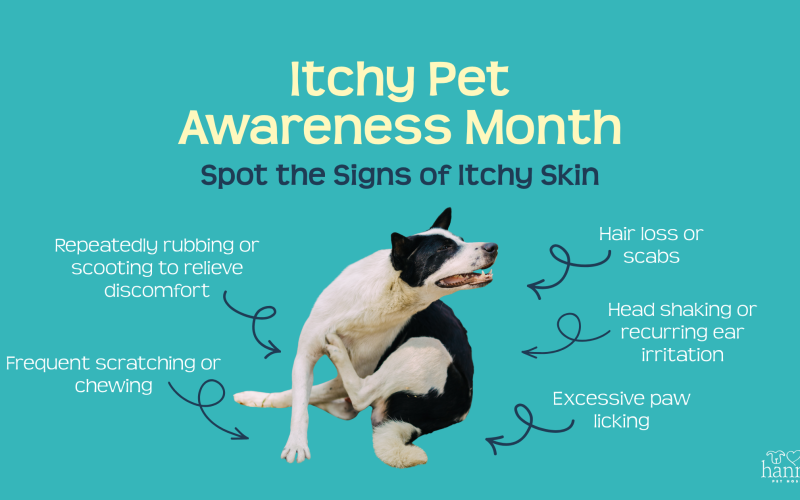
Allergies can show up in different ways depending on the Pet, but some common signs include:
- Excessive scratching or licking
- Chewing at paws
- Red or irritated skin
- Frequent ear infections or head shaking
- Watery eyes
- Sneezing
- Hair loss or hot spots
- Restlessness or discomfort
VCA Animal Hospitals notes that dogs often show allergies through skin irritation, while cats may show grooming changes, skin issues, or respiratory symptoms.
Why Spring Triggers Allergies
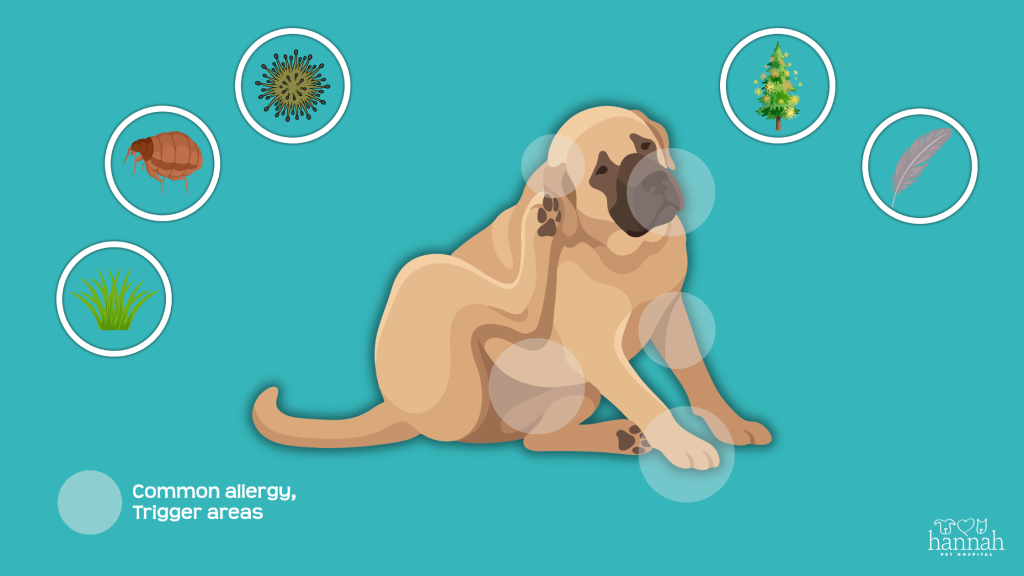
During the spring, pollen levels rise and grass begins growing again. Mold spores can also increase with damp weather. These environmental allergens can irritate sensitive Pets, especially after time spent outdoors.
Even indoor Pets can be affected, as allergens can be tracked inside on shoes, clothing, or through open windows. The Cornell Feline Health Center notes that indoor cats can still be exposed to environmental allergens.
What Pet Parents Can Do at Home
If you think seasonal allergies may be affecting your Pet, there are a few simple ways to help:
- Wipe paws and coat after outdoor time
- Wash bedding regularly
- Vacuum frequently to reduce allergens indoors
- Keep up with bathing as recommended by your veterinary Team
- Avoid letting symptoms go unchecked
It’s important not to give over-the-counter allergy medications unless directed by your veterinarian, as some can be unsafe for Pets. The ASPCA Animal Poison Control Center warns that many human medications can be harmful to dogs and cats.
Staying Ahead of Seasonal Allergies
Seasonal allergies often return year after year, which is why paying attention to early signs can make a big difference. When symptoms like itching, paw licking, recurring ear irritation, or skin flare-ups are addressed early, Pets are often more comfortable and less likely to develop secondary issues such as skin infections.
Routine veterinary care can also help identify patterns over time and create a plan that works best for your Pet’s needs each season. At Hannah Pet Hospital, supporting Pets through concerns like seasonal allergies is one of the many ways preventive care helps keep them feeling their best year-round.
Because spring should mean more tail wags, sun naps, and happy walks, not nonstop itching.