Being a responsible dog parent means making sure your dog has food, fresh water, exercise, and a safe place to call home. But meeting a dog’s needs goes much further than filling their bowl and taking them around the block.
Dogs are social, curious animals with physical, mental, and emotional needs. They need opportunities to explore, learn, play, rest, connect, and simply be dogs.
Responsible Pet Owners Month is a great reminder to look beyond the basics and ask an important question: Is my dog simply being cared for, or are they truly thriving?
Here are some of the things that can make a meaningful difference in your dog’s everyday life.
1. Mental Stimulation Matters
A walk may exercise your dog’s body, but their brain needs exercise too.
The American Veterinary Medical Association includes appropriate exercise and mental stimulation among the responsibilities that come with Pet ownership. Mental enrichment gives dogs an opportunity to think, problem-solve, and engage in behaviors that come naturally to them.
Mental stimulation doesn’t have to be complicated. Try:
- Puzzle feeders or treat-dispensing toys
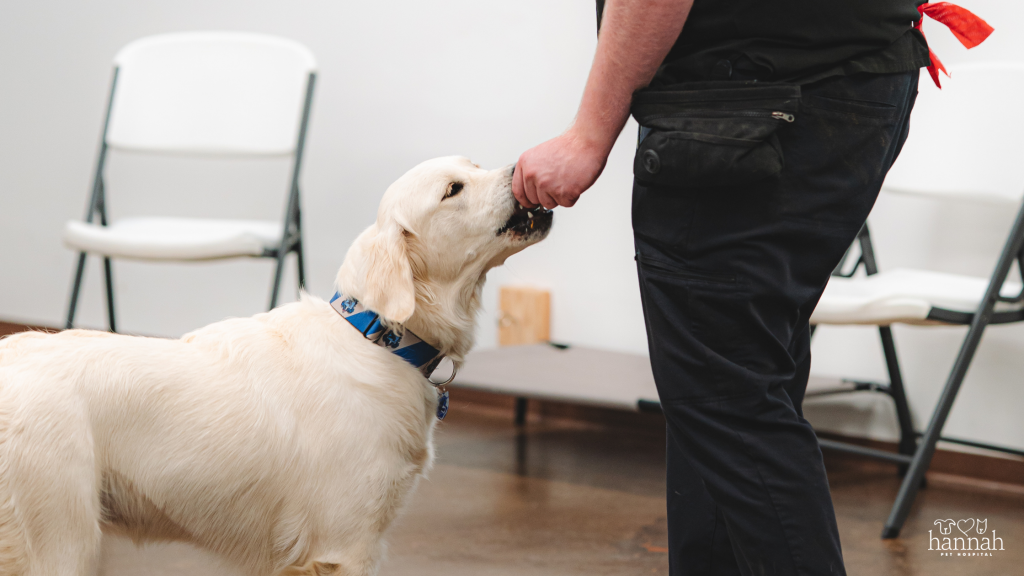
- Short training sessions
- Hiding treats around the house for your dog to find
- Teaching a new trick or cue
- Rotating toys instead of leaving the same ones out every day
- Playing hide-and-seek
According to the American Animal Hospital Association, cognitive enrichment gives Pets opportunities to problem-solve, learn, and engage their minds while helping prevent boredom.
Sometimes ten minutes of using their brain can add something to your dog’s day that another lap around the neighborhood can’t.
2. Let Them Stop and Sniff
If you’ve ever wondered why your dog needs to investigate the same patch of grass for what feels like forever, remember that they’re experiencing the world differently than we do.
Walks aren’t only about covering distance.
The ASPCA recommends giving dogs opportunities to use their noses and engage in natural behaviors through enrichment activities. Giving your dog time to stop, sniff, and explore allows them to experience their environment in a way that’s meaningful to them.
Try occasionally turning your regular walk into a “sniff walk.” Instead of focusing on distance or pace, safely let your dog choose where to explore and give them a little extra time with those apparently fascinating bushes.
To us, it’s the same sidewalk we see every day. To them, there’s a lot more going on.
3. Dogs Need Opportunities to Be Dogs
Different dogs enjoy different things.
One might love chasing a ball. Another could spend all afternoon sniffing around the backyard. Some love tugging, digging, searching for treats, chewing, or solving puzzles.
Enrichment gives dogs appropriate ways to express these natural behaviors.
The ASPCA explains that enrichment can give dogs opportunities to engage in natural behaviors such as playing, smelling, chewing, and searching for food while supporting their physical and mental well-being.
Pay attention to what your dog naturally gravitates toward and find safe ways to give them more opportunities to do it.
Enrichment isn’t about buying a pile of expensive toys. Sometimes a cardboard box with supervised treat-searching, a game of “find it,” or a new place to sniff can be more exciting than anything you could order online.
4. Training Isn’t Just About Good Manners
Sit. Stay. Come.
Training can certainly make everyday life easier, but its value goes beyond teaching your dog what not to do.
Positive training provides mental stimulation and gives you and your dog another way to communicate with one another.
Even after your dog knows the basics, learning doesn’t have to stop. Practice familiar cues in new environments, teach something new, or turn training into a game.
Keep sessions short, positive, and appropriate for your individual dog. AAHA recommends short training sessions and learning new skills as ways to provide mental enrichment while spending meaningful time together.
5. Connection Is a Need, Too
Your dog doesn’t just live in your house. They’re part of your family.
Social enrichment can include playing together, training, gentle grooming, relaxing in the same room, or simply giving your dog your undivided attention.
AAHA identifies positive interactions with people and other compatible animals as forms of social enrichment that can support a Pet’s emotional well-being.
That doesn’t mean every dog needs to visit dog parks, meet strangers, or play with other dogs. Social needs are individual. For some dogs, quality time with their favorite person is exactly what they want.
Learning what makes your dog comfortable is part of responsible Pet Parenting.
6. Rest Is Part of a Healthy Life
More activity isn’t always better.
Dogs also need opportunities to relax and sleep without constantly being touched, entertained, or interrupted. Having a comfortable place where your dog can settle and feel secure is just as important as giving them opportunities to play.
Pay attention to your dog’s signals. If they walk away, settle into their bed, or seem finished with an interaction, give them space.
Part of caring for a dog is learning when they’re asking for engagement and when they’re asking for a break.
7. Their Needs Change Throughout Their Life
What your dog needs at six months old may look very different from what they need at six or sixteen.
Puppies are learning about the world and need safe opportunities for training, socialization, play, and exploration. Adult dogs still benefit from regular physical and mental enrichment. Senior dogs may need activities adapted to changes in their mobility, vision, hearing, or overall health.
AAHA’s canine life-stage recommendations emphasize that a dog’s care should evolve throughout their life, with considerations such as exercise, behavior, nutrition, preventive care, and health screening changing as they age.
Responsible Pet Parenting means continuing to adjust along with them.
The long walk your dog once loved may eventually become a shorter sniff around the block. A high-energy game might become a food puzzle or gentle training session.
Different doesn’t necessarily mean worse. It just means meeting them where they are.
8. Preventive Care Is Part of the Bigger Picture
Giving your dog a fulfilling life also means looking after the things they can’t manage themselves. They rely on us not only when they’re sick or injured, but also to help protect their health before something goes wrong.
Regular veterinary visits give your veterinary Team an opportunity to get to know what’s normal for your Pet and notice changes over time.
The American Animal Hospital Association explains that routine veterinary visits can help establish a Pet’s normal health baseline and give veterinary Teams opportunities to identify changes that may warrant a closer look.
Preventive care can include much more than a physical exam. Depending on your Pet’s individual needs, it may include:
- Wellness exams
- Vaccinations
- Parasite prevention
- Dental care
- Nutrition and weight discussions
- Routine screenings
- Age-appropriate blood work
- Behavior and lifestyle discussions
The American Veterinary Medical Association includes regular preventive veterinary care, proper identification, appropriate socialization and training, exercise and mental stimulation, emergency preparedness, and a lifelong commitment to the animal among the responsibilities that come with Pet ownership.
Preventive care also changes as your Pet does.
A puppy has very different veterinary needs from an adult dog, and a senior Pet may benefit from closer monitoring as their mobility, behavior, appetite, or overall health begins to change.
Your dog can’t schedule their own checkup or tell you exactly when something feels different. They rely on you to notice changes, advocate for them, and make their health a priority even when everything appears to be going well.
More Than the Basics
Being a responsible Pet Parent isn’t about being perfect.
It’s about learning who your dog is and continuing to show up for them.
Feed their body. Challenge their brain. Let them sniff. Teach them new things. Give them opportunities to play. Respect when they need space. Pay attention when something changes. Keep up with their veterinary care. And make time for the things that bring them joy.
Because a good life isn’t just about having everything a dog needs to survive.
It’s about giving them what they need to thrive.
Helping Pets Thrive for a Lifetime at Hannah
At Hannah, preventive care isn’t something we think about only when a Pet is sick. It’s one of the main focuses of how we care for Pets throughout their entire lives.
Our veterinary Team has the opportunity to build an ongoing relationship with our Members and their Pets, allowing us to follow their health as they grow and their needs change.
From those first puppy or kitten visits through adulthood and into the senior years, every stage gives us another opportunity to understand what’s normal for that individual Pet, watch for changes, and help Pet Parents make informed decisions about their care.
That ongoing relationship is important because preventive care isn’t one-size-fits-all.
A young Pet may need support with vaccinations, parasite prevention, nutrition, training, and healthy development. As they enter adulthood, maintaining a healthy weight, staying on top of dental health, and continuing routine veterinary care become important parts of their overall wellness. Later in life, changes in mobility, appetite, behavior, or energy may mean their care needs to change again.
AAHA notes that regular veterinary visits allow your veterinary Team to establish what’s normal for your Pet and monitor changes over time. That can be especially valuable because some health concerns may begin with changes that aren’t immediately obvious at home.
Sometimes the first clue isn’t dramatic.
Maybe your dog has gained a little weight since their last visit. Maybe they’re taking longer to stand up in the morning. Maybe they’re not as excited about their food, have stopped jumping onto the couch, or simply seem a little different.
Those details can matter.
Preventive veterinary care creates opportunities to talk about those changes and determine whether anything deserves a closer look. Instead of thinking about veterinary care only when something is clearly wrong, preventive care allows your Pet’s health to be followed throughout their life.
That’s a big part of Hannah’s approach to Total Lifetime Care®.
Our goal is to support Pets through the many different stages and changes that come with a lifetime together. That means focusing on preventive care while they’re healthy, being there when health concerns arise, and continuing to adapt their care as they grow older.
And preventive care isn’t only about veterinary appointments. It’s connected to so many of the things Pet Parents do at home every day.
It’s noticing that your Pet is drinking more water than usual. It’s mentioning that they’re suddenly hesitant to use the stairs. It’s asking whether their weight has changed. It’s keeping up with dental health and vaccinations. It’s asking questions about nutrition, behavior, exercise, or anything else that doesn’t seem quite right.
Pet Parents know what “normal” looks like at home, while veterinary Teams have the medical knowledge to evaluate changes in a Pet’s health. When those two perspectives come together, they can provide a much fuller picture of how a Pet is doing.
That’s why we encourage our Members to ask questions, even when they aren’t sure whether something is important.
At Hannah, we want to be there for the routine visits, the questions, the milestones, the changes, and everything in between.
From their earliest visits through their senior years, our focus is helping Pets live longer, healthier, happier lives while supporting the people who love them along the way.
Because responsible Pet Parenting isn’t just about meeting their needs today. It’s about continuing to give them the care, attention, enrichment, preventive care, and support they need to thrive throughout their entire life.