Keeping Pets Safe This 4th of July
The 4th of July is a time for family, food, and celebration — but for many Pets, it can be one of the most stressful days of the year.
Fireworks, unfamiliar guests, open doors, cookout foods, and loud gatherings can all create risks for dogs and cats. Even confident Pets may become frightened by sudden noises or flashing lights. With a little planning, Pet Parents can help make the holiday safer, calmer, and more comfortable for the animals they love.
Why the 4th of July Can Be Hard on Pets
Pets experience the holiday differently than we do. What feels festive to people may feel confusing or threatening to a dog or cat. Fireworks are especially stressful because they are loud, unpredictable, and often continue late into the evening.
The American Veterinary Medical Association recommends leaving Pets at home during fireworks displays, parades, parties, and other crowded events because loud noises, unfamiliar places, and crowds can frighten animals.
Cats can be especially sensitive to changes in their environment. A cat who normally seems calm may hide, refuse food, vocalize, or try to escape when fireworks begin. Dogs may pace, shake, pant, bark, dig, or attempt to run. These reactions are fear responses, not “bad behavior.”
Create a Safe Indoor Space Before Fireworks Start
The best time to prepare your Pet is before the noise begins.
Choose a quiet room inside your home where your Pet can settle away from windows, doors, and foot traffic. Close curtains or blinds, turn on soft music, a fan, or the TV to help reduce outside noise, and provide familiar bedding, toys, water, and a litter box for cats.
For cats, a covered hiding spot can be very comforting. This might be a cat tree cubby, carrier with the door open, cardboard box, closet, or quiet bedroom. The goal is not to force your Pet to interact, but to give them a secure place where they feel safe.
The ASPCA also recommends moving Pets into an interior room with no windows when possible and using calming background sound to help them feel more secure.
Keep Pets Indoors – Even Indoor-Only Cats
Even if your Pet usually enjoys the backyard or patio, the 4th of July is not the best time to let them outside. Sudden fireworks can cause dogs and cats to bolt, jump fences, slip collars, or push through doors and windows.
Make sure doors, windows, gates, and screens are secure. If guests are coming over, consider placing a note on the door reminding people not to let Pets out. For cats, it is especially important to keep them in a quiet, closed room before visitors arrive.
Update ID Tags and Microchip Information
Before the holiday, take a few minutes to check your Pet’s collar, ID tag, and microchip registration. The Oregon Veterinary Medical Association notes that the 4th of July is a good time to make sure Pets are wearing ID collars and are microchipped.
Your Pet’s ID tag should include a current phone number. If your Pet is microchipped, make sure the chip is registered and that your contact information is up to date.
This is important even for indoor-only cats. A frightened cat may hide in a garage, slip through a door, or escape through a damaged screen when the house is busy.
Watch Out for Cookout Hazards
Holiday foods and party supplies can also be dangerous for Pets. Keep Pets away from alcohol, bones, skewers, fatty foods, chocolate, grapes, raisins, onions, garlic, and desserts containing xylitol.
Fireworks, matches, lighter fluid, glow sticks, and citronella products should also be kept out of reach. The ASPCA warns that fireworks can be dangerous even when unused, especially for curious Pets who may chew or ingest materials.
After the celebration, check your yard for firework debris, food scraps, trash, and anything sharp before allowing Pets outside again.
Do Not Bring Pets to Fireworks Displays
Even if your dog is social, fireworks displays are usually overwhelming. Crowds, heat, loud booms, flashing lights, and unfamiliar surroundings can quickly become too much.
For most Pets, the safest choice is to stay home in a quiet, secure space. If your Pet has a history of severe anxiety during fireworks, talk with your veterinarian before the holiday. Some Pets may benefit from a personalized plan, behavior support, or prescribed medication when appropriate.
Signs Your Pet May Be Stressed
During fireworks, watch for signs of fear or anxiety, including:
- Hiding or trying to escape
- Trembling or shaking
- Panting or drooling
- Pacing or restlessness
- Barking, whining, or excessive meowing
- Loss of appetite
- Clinginess or sudden withdrawal
- Accidents in the house
Comforting your Pet is okay. You are not “rewarding fear” by being calm, gentle, and reassuring. Try to keep your own energy relaxed and give your Pet space if they choose to hide.
A Little Planning Goes a Long Way
The 4th of July can be fun for families, but it is important to remember that Pets may need extra support during the holiday. By preparing early, keeping Pets indoors, securing identification, and creating a calm space, you can help reduce stress and protect your Pet from preventable risks.
At Hannah Pet Hospital, we believe Pets deserve compassionate care through every stage of life — including the loud, busy, unpredictable moments. If you are concerned about your Pet’s anxiety, safety, or behavior around fireworks, our team is here to help.
Wishing you and your Pets a safe, calm, and happy 4th of July.
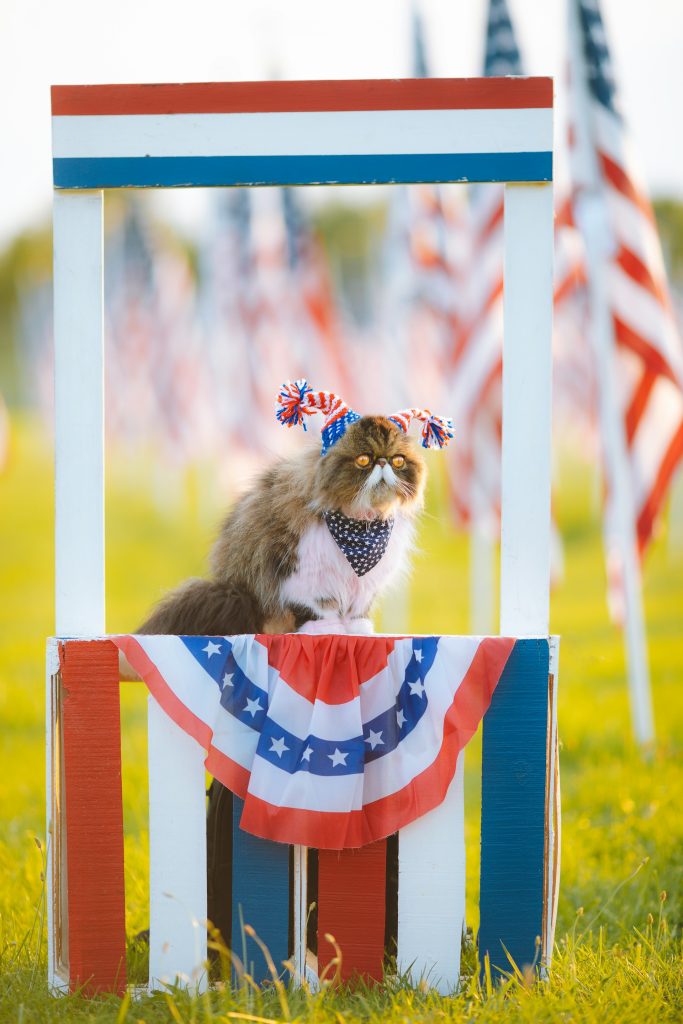
Photo by Reba Spike on Unsplash