
Why Senior Pets Need More Frequent Exams
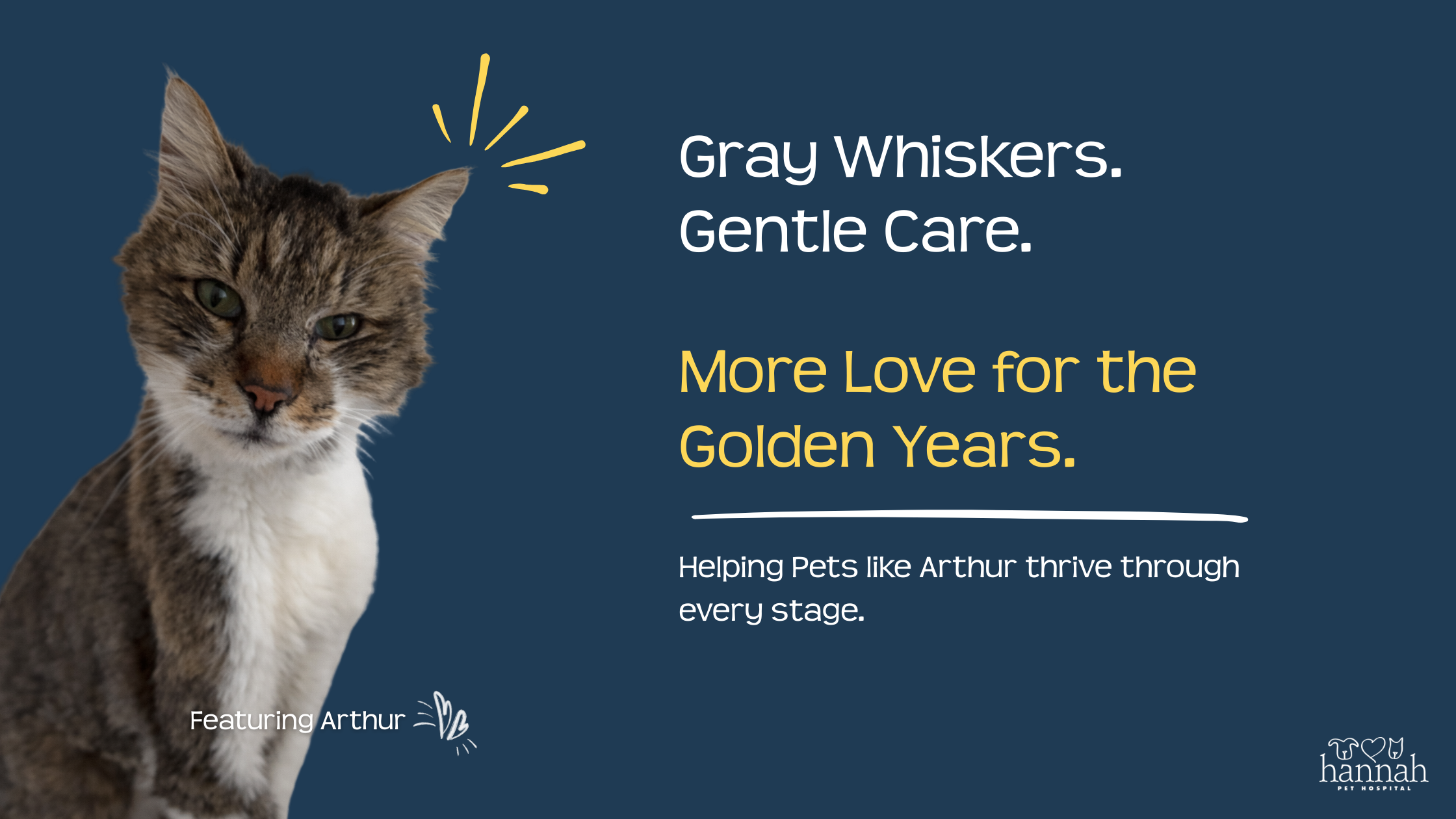
As our Pets grow older, their needs begin to change in ways that aren’t always easy to see from the outside. A dog who still greets you at the door or a cat who curls up in their favorite sunny spot may seem perfectly fine, but beneath the surface aging bodies can experience changes that happen quietly and quickly. That’s why more frequent veterinary exams become one of the most important ways we can support Pets during their senior years.
Senior Pets deserve thoughtful, proactive care that focuses not only on treating illness but also on maintaining comfort, mobility, and quality of life. Regular exams allow veterinary teams to catch subtle changes early, often before a Pet shows obvious signs of discomfort.
Aging Happens Faster for Pets
Pets age much faster than humans, which means their health can shift significantly in a relatively short period of time. According to the American Veterinary Medical Association, senior Pets benefit from regular veterinary checkups because age-related changes can develop quickly and quietly.
I’ve seen this firsthand with my own senior rescue cat, Arthur. At 14 years old, he still has moments of playful energy, but small changes like appetite shifts, sleep patterns, and how quickly he tires remind me how important it is to stay proactive with his care.
More frequent exams give veterinary Teams the chance to monitor trends like these. Small weight changes, dental concerns, mobility shifts, or early signs of chronic conditions can be noticed sooner so care stays proactive instead of reactive.
Early Detection Makes a Big Difference
Many common senior Pet conditions such as arthritis, thyroid imbalances, kidney disease, heart concerns, or cognitive changes develop gradually. Pets are incredibly good at hiding discomfort, which means issues may not become obvious until they’ve progressed.
Organizations like the American Animal Hospital Association emphasize that preventative diagnostics and routine exams can help identify health changes earlier, when treatment options may be more effective and Pets can stay comfortable longer.
Even subtle behavioral shifts like sleeping more, slowing down, or changes in appetite can offer important clues when paired with regular veterinary check-ins.
Comfort, Mobility, and Quality of Life
Frequent exams are not just about detecting illness. They are also about supporting everyday comfort. As Pets age, joint health, muscle strength, and mobility become increasingly important.
Guidelines from the American Association of Feline Practitioners highlight how senior Pets often benefit from individualized care plans that address mobility, nutrition, dental health, and behavioral wellbeing.
Veterinary Teams may recommend adjustments tailored to each Pet, such as:
- Pain management or mobility support
- Nutrition changes suited for senior bodies
- Behavioral support for anxiety or cognitive changes
- Preventative dental care
These small changes can make a big difference in how a senior Pet feels day to day — whether that means easier walks for a dog or more comfortable naps for a senior cat curled up at home.
Strengthening the Bond Between Pets and Their People
One of the most meaningful parts of senior care is helping Pet Parents feel confident and supported. Resources from the ASPCA often remind Pet Parents that regular wellness exams help create a clearer understanding of aging and allow families to plan ahead with guidance from trusted veterinary Teams.
Rather than waiting until something feels urgent, more frequent visits allow families to make thoughtful decisions and focus on enjoying time together. That might look like slow morning cuddles, gentle walks, or the quiet comfort of having a familiar companion nearby.
Growing Older, Gracefully
Senior Pets carry years of memories, companionship, and unconditional love. More frequent exams are one way we can give that love back by helping them stay comfortable, supported, and understood as their needs evolve.
Watching a Pet age, like Arthur finding new favorite sleeping spots or adjusting his daily routine, is a reminder that growing older does not mean losing joy. With the right support, senior Pets can continue to live meaningful, happy lives alongside the people who adore them.
How Hannah Supports Senior Pets Every Step of the Way
At Hannah Pet Hospital, we believe senior Pets deserve care that looks at the whole picture, including physical health, behavior, comfort, and quality of life. As Pets age, having consistent support can make all the difference in helping families feel prepared and confident through every stage.

- Meet The Team: Humans Behind Hannah March 11, 2026
- Why Senior Pets Need More Frequent Exams February 19, 2026
- Pet Skin Health 101: What Changes in Your Pet’s Skin Can Mean February 4, 2026
- From Puppies to Pros: The Importance of Training at Every Age January 20, 2026
- Care-First, Not Cost-First: Understanding $0 at Services January 15, 2026